Education holds a central place in Islam, shaping individuals and communities alike. Quranic education and Islamic education are two interrelated yet distinct aspects of the educational tradition within the Islamic worldview. While both focus on the transmission of knowledge and values, they serve different purposes and follow different methodologies. This article delves into the definitions, objectives, and significance of Quranic and Islamic education, highlighting their contributions to Muslim societies.
Defining Quranic Education
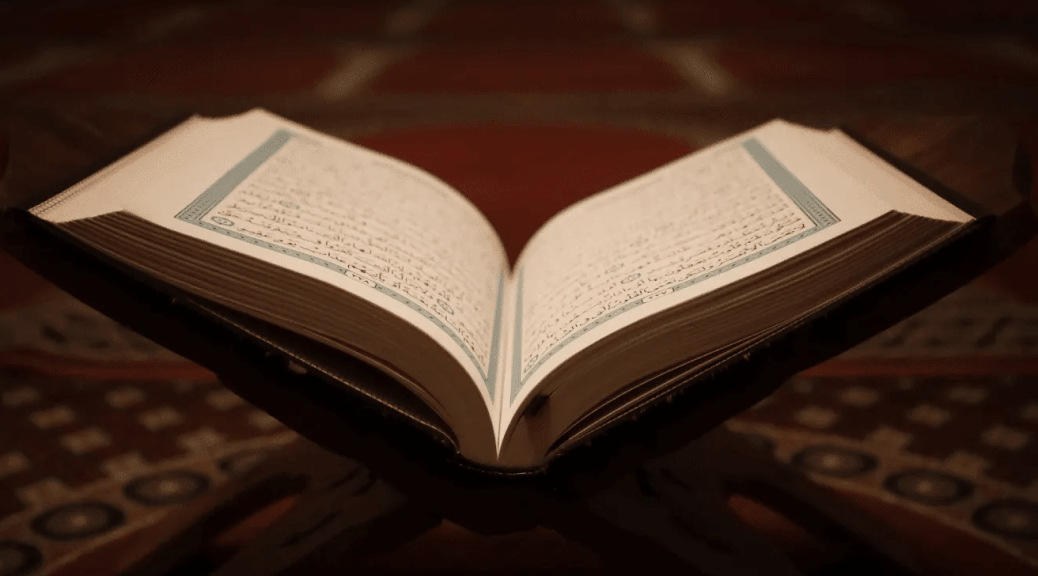
Quranic education refers to the study and memorization of the Quran, the holy book of Islam. It focuses primarily on the recitation (tajwīd), memorization (ḥifḥ), and understanding (tafsīr) of the Quranic text. This type of education emphasizes linguistic mastery of classical Arabic to ensure accurate pronunciation and comprehension. Traditionally, Quranic schools or “madrasa al-Qur’an” serve as centers for imparting this knowledge, often beginning at a young age.
Objectives of Quranic Education
- Spiritual Development: Strengthening the individual’s relationship with Allah through understanding and applying Quranic teachings.
- Preservation of the Quran: Ensuring the accurate transmission of the Quran from one generation to the next.
- Moral Formation: Instilling ethical principles and moral conduct based on Quranic guidance.
- Linguistic Proficiency: Developing fluency in classical Arabic, the language of the Quran.
Defining Islamic Education
Islamic education encompasses a broader framework, integrating religious, ethical, and worldly knowledge. It seeks to create a harmonious balance between spiritual development and practical life skills, covering areas such as jurisprudence (fiqh), theology (‘aqīdah), prophetic traditions (ḥadīth), history, and natural sciences. Islamic education is typically offered in both formal institutions like madrasas and informal settings, such as study circles and online platforms.
Objectives of Islamic Education
- Holistic Development: Cultivating individuals who embody Islamic values in all aspects of life.
- Intellectual Growth: Promoting critical thinking and knowledge acquisition across various disciplines.
- Community Building: Preparing individuals to contribute positively to society while adhering to Islamic principles.
- Moral and Ethical Guidance: Providing a framework for ethical decision-making rooted in Islamic teachings.
Differences Between Quranic and Islamic Education
While Quranic education focuses exclusively on the Quran, its recitation, and interpretation, Islamic education encompasses a wider array of subjects. Quranic education forms the foundation upon which Islamic education builds, offering a more comprehensive approach to knowledge that includes both religious and secular domains.
| Aspect | Quranic Education | Islamic Education |
| Scope | Limited to Quranic studies | Covers religious and worldly knowledge |
| Objective | Mastery of Quran recitation and meaning | Holistic personal and intellectual growth |
| Methodology | Memorization and recitation | Analytical, critical, and interdisciplinary |
| Institutions | Quranic schools (maktab/madrasas) | Madrasas, universities, and community centers |
Significance in Muslim Societies
Both Quranic and Islamic education play a vital role in shaping the identity, values, and worldview of Muslim individuals and communities. They foster a deep connection with Islamic heritage while equipping learners with the tools needed to navigate modern challenges. These educational systems have historically contributed to advancements in science, art, and culture, underscoring their enduring relevance.
Challenges and Opportunities
In contemporary times, Quranic and Islamic education face several challenges, such as:
- Modernization: Integrating traditional teachings with contemporary pedagogical methods.
- Access: Ensuring educational opportunities for marginalized communities.
- Relevance: Addressing current socio-political and economic issues through Islamic frameworks.
Opportunities include leveraging technology for wider dissemination, promoting interfaith dialogue, and fostering innovation in curriculum development.
Conclusion
Quranic and Islamic education are integral to the spiritual and intellectual growth of Muslim societies. While Quranic education lays the foundation by connecting individuals to the divine message, Islamic education broadens their horizons, preparing them for a balanced and purposeful life. Together, they form a dynamic educational system that continues to inspire and guide generations of Muslims.
 Quranic Knowledge